
Letters from Oaxaca

Welcome to the second chapter of our journey fellow friends. We salute you from the hazy and humid coast of Punta Zicatela, next to Puerto Escondido, in the state of Oaxaca. To continue where I left with my historic rambling, this time focus on this region, King Monctezuma the first sent the Mexica army here first around 1460. After some bloody conflicts, the Mexica and the people of Oaxaca established a successful commercial relationship and developed tolerance for each other. Huaxyacac, as it was then known, was famous for its tall and beautiful people, who would only allow internal breeding to maintain the gracious lineaments. Anyone who would breed with an outsider, for example, would be ostracised, and any infant considered too ugly to rightfully represent the gift of its population would be deprived of his mothers milk. These people were called Zapotecs, deriving their name from the fruit Sapote, which grows abundant in these mountainous lands.
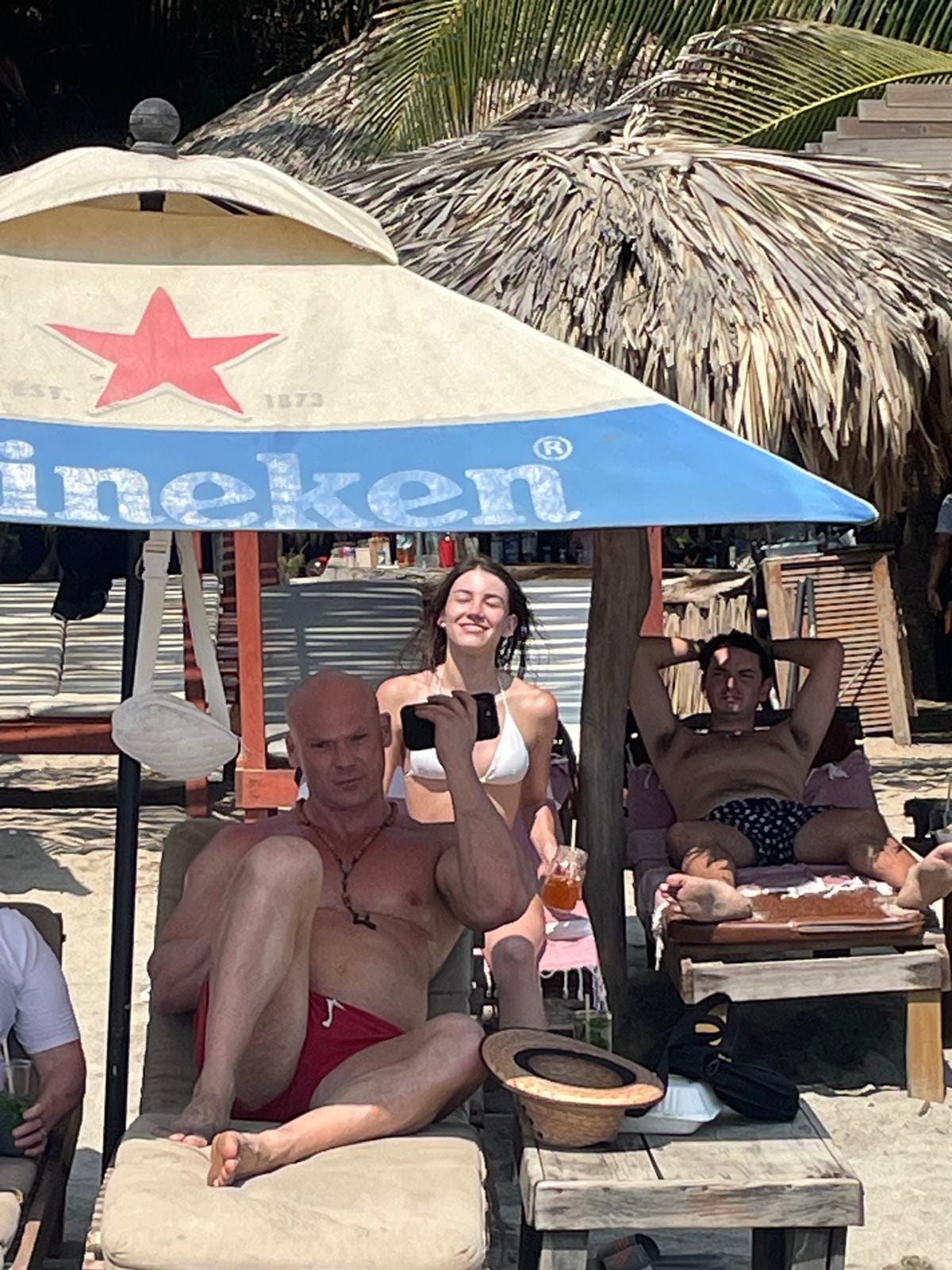
I sit in a cafe on this beach and I wonder what has remained of the ancient Zapotec beauty. I see beefy lads of the colour of my favourite ice-cream as a child: vanilla-strawberry. Would the Zapotecs have approved of their whiteness? Maybe, because of this very whiteness, they would have thought they were the incarnation of Quetzalcoatl, the mythical feathered serpent deity in Aztec religion and mythology. In fact Monteczuma the second (the supposedly less perspicascious grand child of the above mentioned king) thought Hernan Cortes was the god himself. The legend said that Quetzalcoatl, a virtuous Toltec ruler, departed towards the eastern ocean with the promise to one day return. Cortes came from the same direction so it all added up.
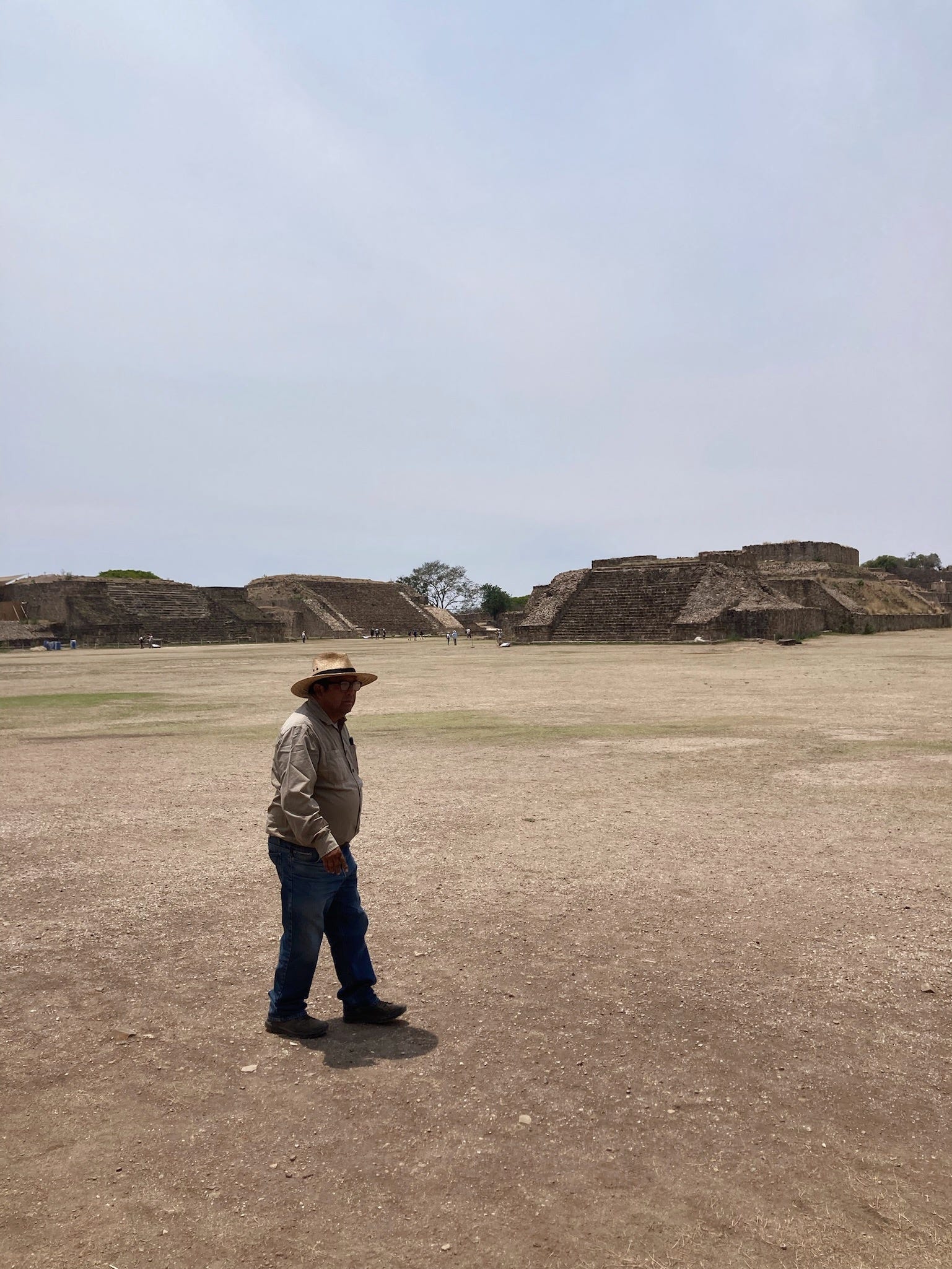
Well, me and Anni arrived in these culture-rich lands about 2 weeks ago. We landed in Oaxaca, the capital of the state of which it bears the name and, some say, also the gastronomic capital of the country. We can confirm the Mezcal is tasty, Anni became fluent in Spanish and Quetzalcoatl appeared to her at the 9th glass of our tasting. The fumes of alcohol and extreme temperatures didn’t prevent us to drag our drowsy bosoms to absorb some culture. One of the most eventful things was to visit Monte Alban (the oldest Zapotec city). All the above knowledge about Zapotecs comes in fact from Guillermo, our guide the ruins. He’s known to be the wisest person in Oaxaca and gives vibes of Indiana Jones after retirement (picture below). Since I told him I was Italian he started repeatedly bashing Galileo Galilei, whose scientific discoveries were a walk in the park in comparison to the accomplishments of the erudite Monte Albanians astronomers (and 2500 years later…ppff....buuuuh).
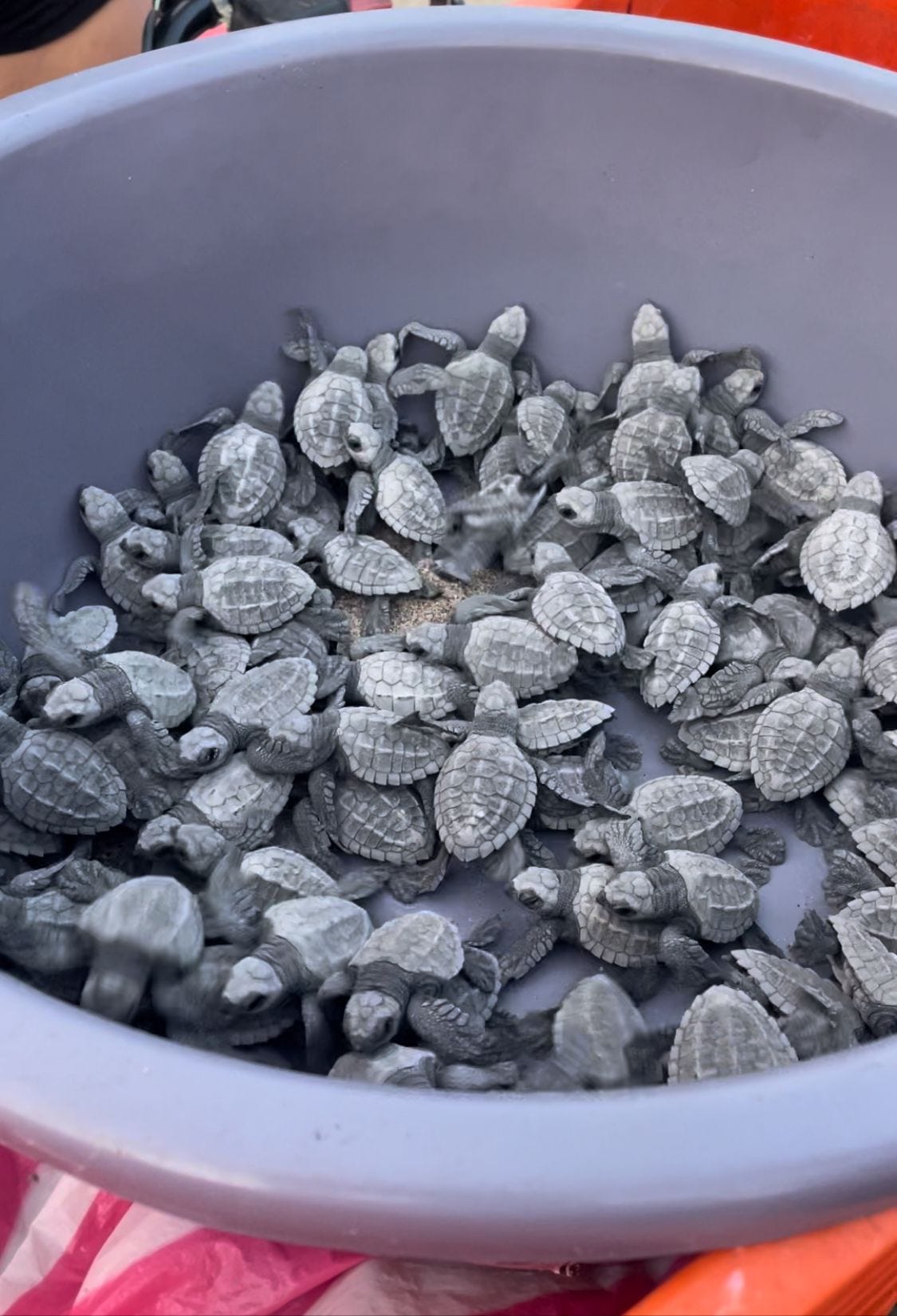
After Oaxaca City we then went to Laguna de Chacahua, a natural reserve next to Puerto Escondido which is for now preserving its pristine connection with nature. Not much happens here, and this is precisely why we loved this place. Time passes filled by an uneventful yet meaningful state of just being, a slow existence with a honey-like density, that slowly oozes to fill the space between one surfing session and the other, between one enfrijolada and a pulpo a la diabla, all while sweating copiously. The ancient Romans called it Otium, modern man calls it Chillin’. We saw a lot of baby turtles and plenty of manta rays jumping out of the water to greet us during breakfast. The sad part about baby turtles is that statistically one every 1 thousand survives, as they are the favourite snack of basically anything else living in the ocean. The happy part is that all of the one we accompanied in their first walk towards the ocean made it to the water without being snacked by birds (which often happens). The turtles who do survive will come back to the beach where they were born to lay eggs and start again the beautiful circle of life. They have an ingrained spacial memory whose algorithm Google has not yet managed to crack to incorporate it into Gmaps.
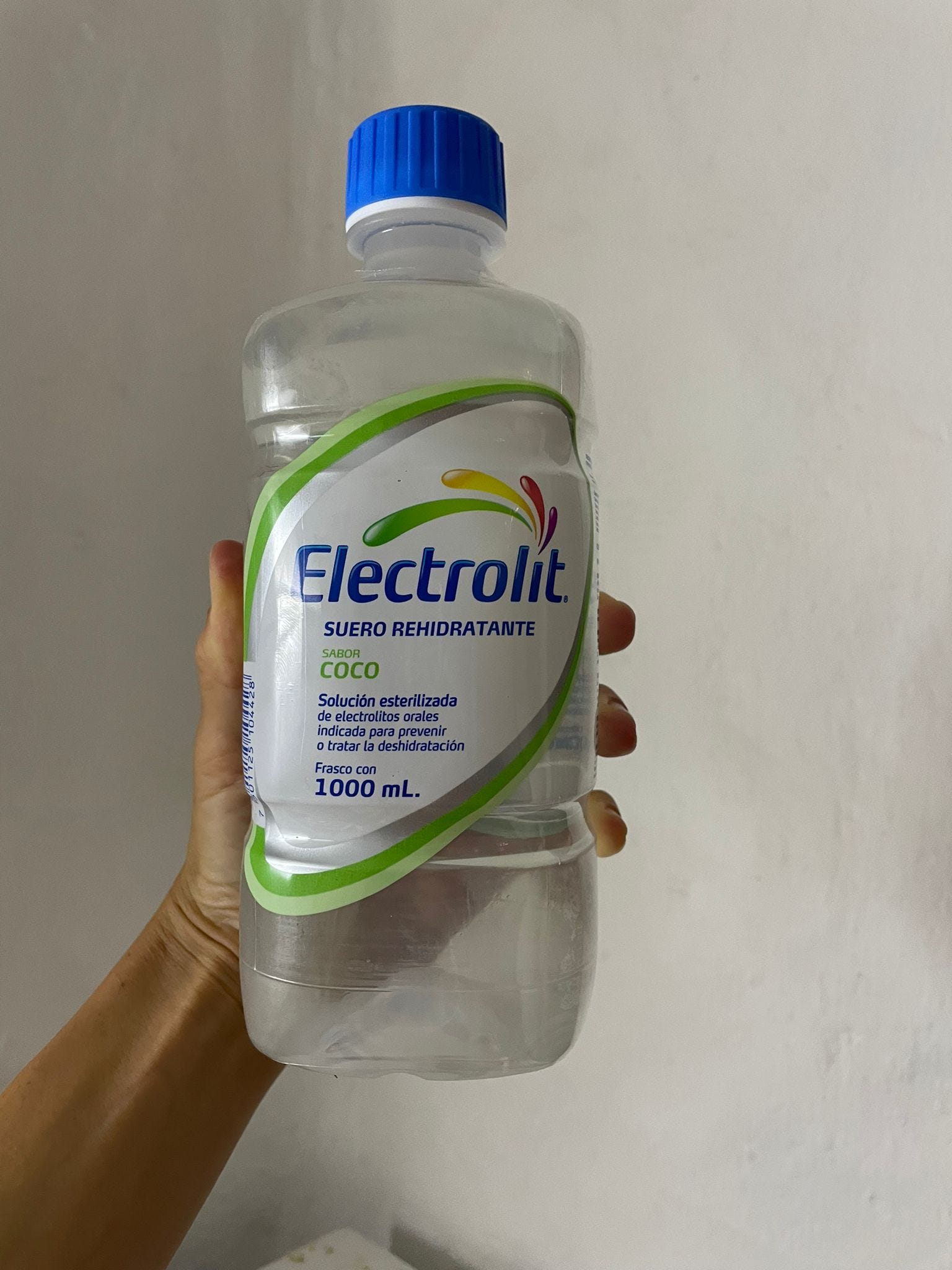
We would also like to take a moment to acknowledge our sponsor Electrolit (picture below). As we are having 5 bottles of this local and ancient beverage a day, we must be thankful to the hydrating property it provides us with, without which we’d be condemned to the hellish pains of having a mineral imbalance, which Dante describes and the entrance of the Inferno, in the 3rd chant of Divina Commedia’s first book.
Wishing you all peace and love,
Anni and Frengo
The ancient Romans called it Otium, modern man calls it Chillin’. Thank you for your guidance Frengo you are a modern philosopher
Inspirational